The Remarkable Postbiotic IPA and the Ancient Wisdom of Chinese Medicine
Most of us know probiotics, the helpful bacteria in our digestive system, and prebiotics, the fibers that feed them. Scientists are now focusing more on postbiotics, active compounds made by gut microbes. One of the most fascinating is indole-3-propionic acid, or IPA, a molecule created when certain gut bacteria break down the essential amino acid tryptophan.
Scientists are interested in IPA because it affects more than the gut. Studies are examining whether it might protect the brain, help regulate blood sugar and metabolism, strengthen the gut barrier, and reduce stress and inflammation. This could matter for conditions like diabetes, obesity, fatty liver disease, kidney and heart problems, inflammatory bowel disease, bone health, and brain diseases such as dementia, Alzheimer’s, and Parkinson’s.
What I find most fascinating about IPA is how it highlights the link between what we eat and our health. Our bodies and gut microbes can turn everyday foods into compounds that may help protect us in many ways.
Why Are Scientists So Interested in IPA?
The evidence for IPA’s benefits varies by condition, and much of the research is still in its early stages. Even so, there are several areas worth noting.
Brain Protection
Indole-3-propionic acid (IPA) is a potent free-radical scavenger with antioxidant, anti-inflammatory, and neuroprotective properties. Researchers are studying its potential role in ischemic and traumatic brain injury, neuroinflammation, cognitive decline, and neurodegenerative diseases such as Alzheimer’s.
Diabetes and Metabolism
Higher circulating IPA has repeatedly been linked to a lower risk of type 2 diabetes. In large U.S. cohort studies, people with the highest IPA concentrations had about 30% lower risk of developing type 2 diabetes than those with the lowest concentrations. IPA may also affect insulin secretion, inflammation, and glucose regulation. Animal research suggests it may improve leptin sensitivity, a hormone involved in appetite and energy balance. In experimental studies, IPA or IPA-producing bacteria reduced weight gain and improved glucose metabolism.
Gut, Liver, and Immune Health
IPA appears to help maintain the intestinal mucosal barrier and influence immune pathways, including PXR and AhR signaling. These effects are being investigated in the context of inflammatory bowel disease. Research also suggests that IPA may reduce intestinal permeability, endotoxin leakage, and inflammatory signaling associated with metabolic fatty liver disease.
Kidney, Heart, and Bone
Lower IPA levels have been observed in diabetic kidney disease, while experimental research suggests that IPA may help protect mitochondrial function and the kidney’s filtration barrier. Researchers are also studying IPA in relation to cardiovascular health, especially its effects on oxidative stress, inflammation, and vascular function. These findings point to IPA’s possible roles in kidney and heart health, and emerging research on the gut-bone connection suggests that IPA may also promote bone formation by osteoblasts while limiting excess osteoclast-mediated bone resorption. Research on IPA also shows how a metabolite produced in the intestine can affect multiple body systems.

Your Gut Is a Biochemical Factory
IPA begins with tryptophan, an essential amino acid found in soybeans, tofu, tempeh, legumes, pumpkin and sesame seeds, nuts, oats, eggs, yogurt, fish, and poultry. Certain intestinal microorganisms transform tryptophan into IPA, which can then enter circulation and interact with tissues throughout the body. This doesn’t mean that eating more protein automatically produces more IPA, an important consideration given the current enthusiasm for high-protein, very-low-carbohydrate diets. Protein is essential, especially as we age and need to preserve muscle and bone. Problems arise when large amounts of meat, cheese, eggs, and protein powders replace vegetables, legumes, whole grains, and other fiber-rich foods, depriving beneficial intestinal organisms of what they need.
Tryptophan supplies the raw material, while the microbiome carries out the transformation. Fiber and a diverse plant-based diet help support the environment in which that transformation occurs. More tryptophan alone doesn’t guarantee greater IPA production.
In the Finnish Diabetes Prevention Study, higher circulating IPA was associated with greater fiber consumption, lower inflammation, and a reduced likelihood of developing type 2 diabetes. U.S. studies have similarly linked higher IPA with better diet quality and greater consumption of vegetables, fruits, legumes, nuts, whole grains, and fiber, as well as lower consumption of red and processed meats. Research suggests that the right microorganisms, fiber, and tryptophan may matter more than simply consuming more tryptophan.
How to Encourage Your Body to Make IPA
A practical approach is to combine tryptophan-rich foods with foods that support microbial diversity.
Tryptophan-rich Foods: soybeans, tofu, tempeh, lentils, chickpeas, pumpkin and sesame seeds, nuts, oats, eggs, yogurt, fish and poultry.
Fiber and Resistant Starch: vegetables, beans, lentils, oats, barley, brown rice, buckwheat, whole fruits, nuts, seeds, green bananas, and cooked-and-cooled potatoes or rice.
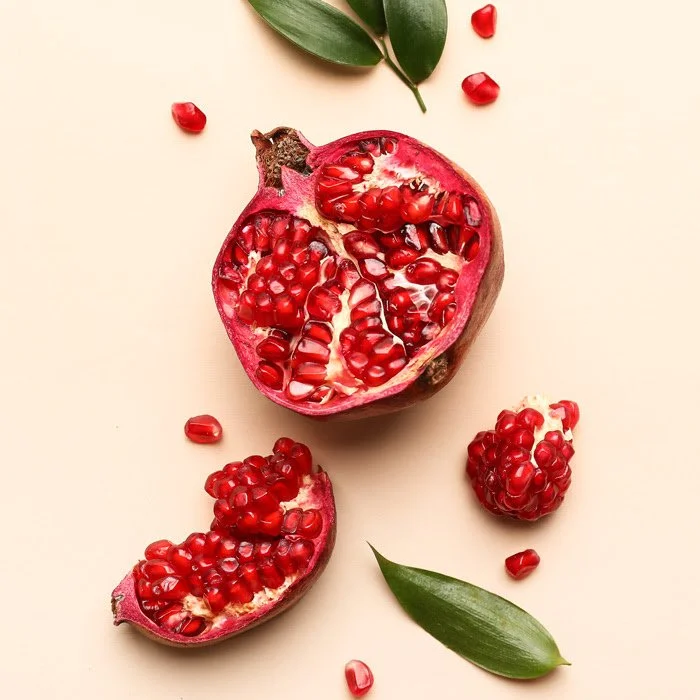
Polyphenols: In an eight-week dietary intervention involving older adults, a polyphenol-rich diet significantly increased serum IPA among participants with preserved kidney function. Polyphenol-rich foods include berries, pomegranate, colorful vegetables, tea, cocoa, herbs, spices, nuts, and extra-virgin olive oil.
Taken together, the research points toward a diverse, plant-forward Mediterranean-style diet with adequate amounts of high-quality protein, rather than an extremely high-protein, low-carbohydrate diet.
Chinese Medicine Meets the Microbiome
For Traditional Chinese Medicine practitioners, this research may feel familiar. Chinese medicine describes the Spleen and Stomach as central to turning food into substances the body can use. Food entering the digestive tract is not automatically nourishment; it must first be digested and transformed.
Modern science adds another layer: trillions of microorganisms within us help carry out this process. When digestive transformation is impaired, Chinese medicine describes the development of Dampness, Phlegm, and turbidity. Modern medicine uses terms such as dysbiosis, impaired intestinal barrier function, metabolic endotoxemia, inflammation, and altered microbial metabolites.
These concepts come from different medical traditions, yet both point to digestive function as essential to whole-body health.
Acupuncture May Influence IPA Production
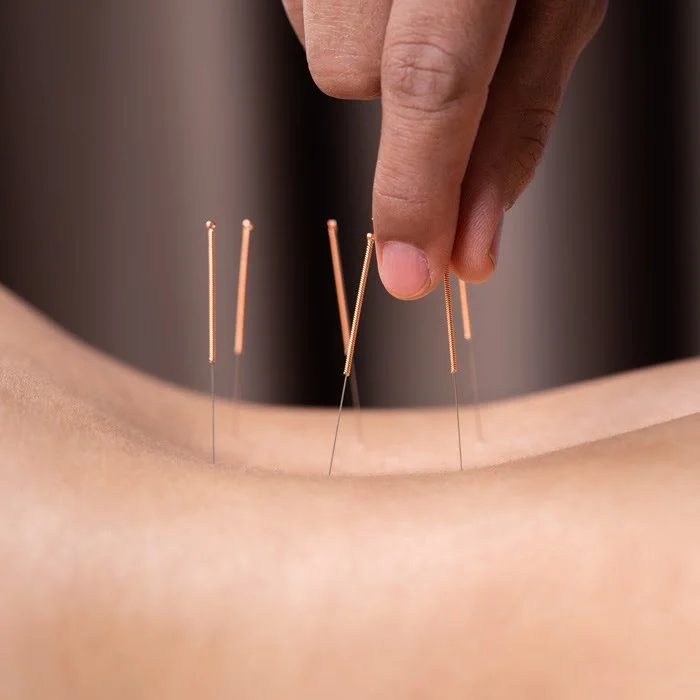
A 2022 study of electroacupuncture in an experimental model of ischemic stroke found a link to Chinese medicine. Electroacupuncture altered intestinal microbiota and increased microbial IPA production. When researchers transplanted microbiota from treated animals, they observed greater protection against brain injury. Further experiments pointed to an IPA-melatonin receptor antioxidant pathway.
These findings suggest electroacupuncture may alter the gut microbiome, raise IPA, and activate antioxidant signaling linked to neuroprotection. Although experimental, the research offers a plausible pathway by which acupuncture could influence the gut-brain connection.
Chinese Herbs and IPA
Research is beginning to link Chinese herbal medicine with microbial IPA metabolism. A 2026 study of the traditional QTQ Formula in diabetic kidney disease found that treatment altered gut microbial composition and tryptophan metabolism, with IPA implicated in some of the biological effects.
Research on the classical formula SLB, traditionally used for Spleen Qi deficiency with poor digestion, weakness, loose stools, and Dampness, has also reported changes in beneficial indole metabolites, including IPA, and in pathways related to the intestinal barrier and immune function. These formulas shouldn’t be seen simply as “IPA boosters.” Their importance may lie in how they influence the relationship among the gut microbiome, microbial metabolism, and the host.
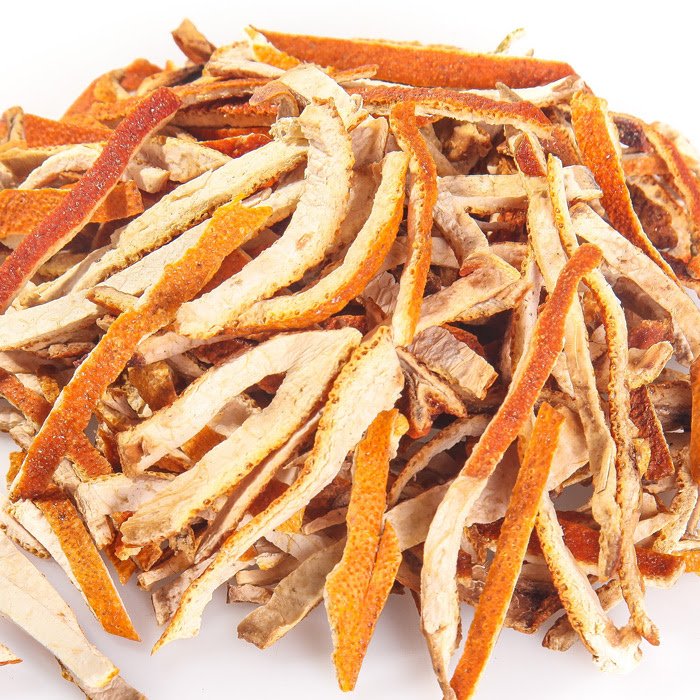
Individual herbs traditionally used to support digestion include Huang Qi (Astragalus), Bai Zhu (Atractylodes), Fu Ling (Poria), Shan Yao (Chinese yam), Chen Pi (aged citrus peel), and Shan Zha (hawthorn fruit). Many contain polysaccharides, fibers, or polyphenols that interact with intestinal microorganisms. This gives new relevance to an old Chinese principle: Food is medicine; the best medicine is food.
What About Probiotics and Supplements?
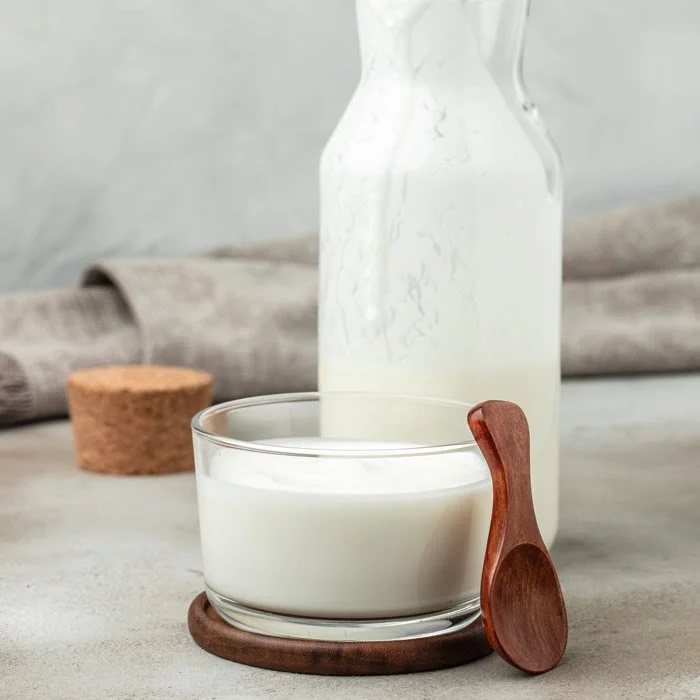
There is already human evidence that changing the microbiome can alter IPA production. In a randomized controlled trial of older adults, supplementation with Bifidobacterium bifidum (BGN4) and Bifidobacterium longum (BORI) produced an approximately 200% increase in IPA. Higher IPA was also associated with brain-derived neurotrophic factor, or BDNF. For most people, though, I would start with food rather than an IPA supplement, which isn’t currently available. Prebiotic fiber, fermented foods such as yogurt and kefir, polyphenol-rich plants, and, when appropriate, probiotics can help support the microbial environment. Ideally, we want to support our own microbiome’s ability to naturally produce beneficial compounds.
Feed Your Inner Garden
For much of modern nutritional history, we have viewed food mainly in terms of nutrients: protein builds muscle, calcium supports bone, carbohydrates provide glucose, and fats provide energy. We now know there is another participant at the table. Every time we eat, we also feed our microbiome. Our intestinal organisms transform food components into compounds that can communicate with the brain, immune system, pancreas, liver, kidneys, and other organs. IPA is one example, and many more are likely to emerge as microbiome research advances.
This parallels the Chinese medical view that health depends not only on what we consume, but also on how effectively the body digests, transforms, and uses it. Eat adequate high-quality protein, especially as you age, but leave plenty of room for vegetables, legumes, whole grains, fruits, nuts, seeds, fermented foods, herbs, and spices. Diversity matters.
Movement practices such as Qigong, Tai Chi, and Dao-In, along with restorative sleep and effective stress management, can further support metabolic and digestive health. When appropriate, acupuncture and Chinese herbal medicine can be incorporated according to the individual’s constitution and needs.
Put the Science Into Practice
If you have digestive problems, metabolic issues, inflammation, or blood sugar imbalance, or if you want to support healthy aging, acupuncture and Chinese herbal medicine can be part of a broader plan for digestive and metabolic health. Treatment is individualized, combining acupuncture, herbs, and nutrition to improve digestion, address imbalances, and support a healthier intestinal environment. Schedule a consultation with a doctor at Tao of Wellness to explore how better digestion can support metabolism, brain health, and healthy aging. Often, the best way to improve health is to help the body make better use of what we already give it.