A New Era in Breast Cancer Care and Prevention
It came as a shock when a close friend who is approaching 70 years of age revealed that he had been diagnosed with breast cancer. Less than one percent of breast cancer patients are men, but this illustrates that breast cancer can affect men as well as women.
However, there is encouraging news for millions of men and women facing a breast cancer diagnosis. Researchers from an international clinical trial known as the Optima Study have reported that a genomic test may help many women safely avoid chemotherapy without increasing the risk of cancer recurrence. This represents a major advancement in personalized cancer care.
For decades, chemotherapy has been an important tool in cancer treatment. It has saved countless lives. Yet chemotherapy is also associated with significant side effects, including fatigue, nausea, neuropathy, cognitive changes, infertility, immune suppression, and long-term impacts on quality of life. The ability to identify which patients truly benefit from chemotherapy and which do not allows treatment to become more precise, effective, and compassionate.
The Rise of Precision Oncology
The genomic test used in the study analyzes the activity of dozens of genes within the tumor itself. Rather than treating all breast cancers as a single disease, this approach recognizes that each tumor has its own biological fingerprint. In many ways, this movement toward precision medicine mirrors a principle that Traditional Chinese Medicine (TCM) has embraced for thousands of years. Classical Chinese medicine has never viewed cancer, or any disease, as a single uniform condition. Two patients with the same diagnosis may receive very different treatments because their underlying patterns of imbalance differ.
One patient may present with patterns of Qi Deficiency, another with Blood Stasis, and yet another with Phlegm Accumulation. Others may show patterns of Yin Deficiency and Empty Heat. This illustrates that a complete diagnosis is not simply the disease, but also includes the person experiencing it.
Today, modern genomic testing is arriving at a similar conclusion through molecular biology.
Integrative Cancer Care: The Best of Both Worlds
As exciting as genomic testing is, it is important to remember that avoiding chemotherapy does not mean avoiding treatment. The patients in the Optima trial still received surgery and hormone therapy when appropriate. The goal was not less care—it was more precise care. This is where integrative medicine can play an important role.
Integrative therapies are not intended to replace conventional cancer treatment; rather, they help patients tolerate treatment better, recover more effectively, and maintain physical and emotional resilience throughout their cancer journey.
At Tao of Wellness and other integrative oncology centers worldwide, Traditional Chinese Medicine is used alongside conventional cancer treatment to support the whole person. Over 40 years ago, after returning from my postgraduate residency at People’s Cancer Hospital in Shanghai, China, where cancer patients were treated with Western and Chinese medicine concurrently, achieving better outcomes than either alone, I sought to offer the same at Tao of Wellness, working with oncologists across the city.
Prevention Remains the Greatest Medicine
While advances in treatment are encouraging, the greatest opportunity still lies in prevention. From the perspective of Chinese medicine, cancer often develops over many years as a result of accumulated imbalances. Chronic inflammation, poor circulation, unresolved emotional stress, toxic exposures, poor diet, sedentary lifestyle, and diminished vitality may all contribute to an internal environment that becomes increasingly hospitable to disease. Chinese medicine teaches that health is cultivated daily through alignment with nature. Several lifestyle practices supported by both modern science and traditional wisdom include:
1. Daily Movement
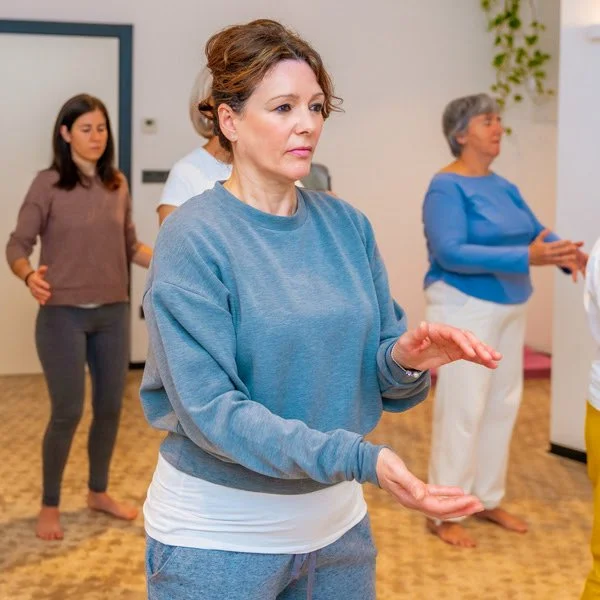
Regular physical activity remains one of the most powerful tools for reducing breast cancer recurrence and improving overall survival. Tai Chi and qi gong are mind-body practices that offer gentle yet effective ways to improve circulation, immune function, stress resilience, and metabolic health.
2. Anti-Inflammatory Nutrition
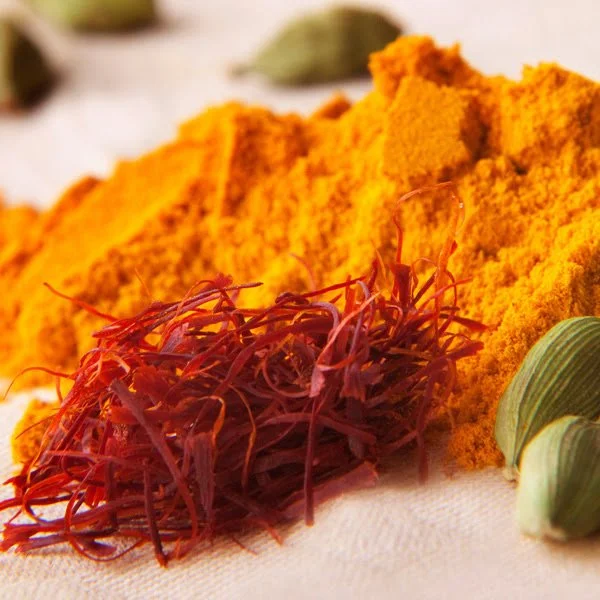
A diet rich in vegetables, legumes, fruits, healthy fats, herbs, whole foods, and spices like turmeric, ginger, and saffron provides protective phytochemicals that support cellular health and help regulate inflammation. Emerging research continues to explore how plant compounds may influence pathways involved in cancer growth and progression.

3. Stress Management
Chronic stress alters hormonal balance, immune surveillance, and inflammatory pathways. Meditation, breath work, prayer, contemplation, journaling, and spending time in nature help restore balance to the nervous system and support healing.

4. Quality Sleep
Sleep is when the body performs many of its most important repair functions. In Chinese medicine, deep restorative sleep nourishes Yin, Blood, and Essence—the foundational reserves associated with longevity and resilience. Try topical acupressure with aromatherapy using the Calm or Sleep rollerball, which contains essential oils such as vetiver, clary sage, and sweet marjoram, known for their natural calming and sleep-inducing properties.
5. Regular Screening
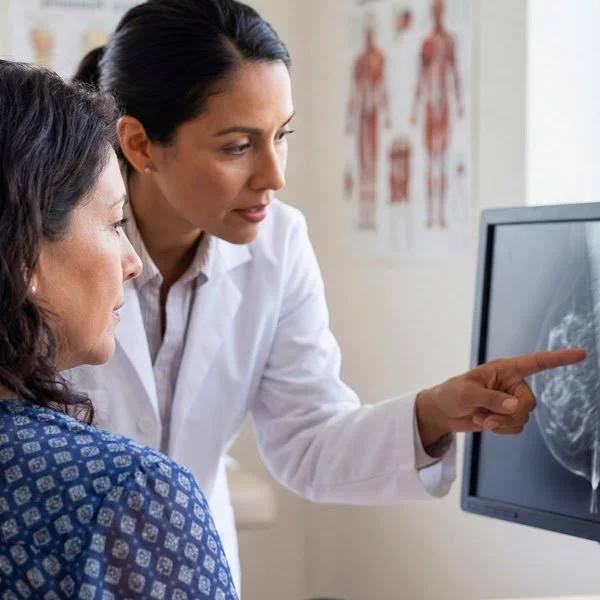
One of the most powerful messages from this latest research is that technology is becoming increasingly capable of identifying risk with greater precision. Routine imaging, appropriate genomic testing, and individualized medical guidance remain essential components of modern preventive care.
A Future of Personalized Healing
The Optima study represents more than a new genomic test. It symbolizes a broader shift in medicine, from standardized treatment toward individualized care. From treating diseases to treating people. This is a future where genomics, precision oncology, lifestyle medicine, and Traditional Chinese Medicine can work together rather than compete. The wisdom of modern science helps us understand the molecular uniqueness of each tumor. The wisdom of Chinese medicine helps us understand the uniqueness of each person.
When these approaches are combined thoughtfully and responsibly, patients receive something greater than either system can provide alone: care that is scientifically grounded, deeply personalized, and centered on the whole human being. That is truly good news, not only for breast cancer patients today, but for the future of medicine itself. If you or your loved ones are dealing with breast cancer, I invite you to call our offices and find out how we can help support the journey back to health in an individualized way.
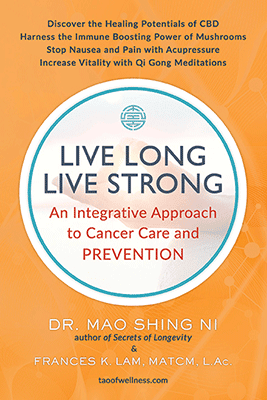
My book, Live Long, Live Strong: An Integrative Approach to Cancer Care and Prevention, compiles my clinical experience and research on the effectiveness of Integrative Oncology. Research and clinical experience confirmed that acupuncture, nutrition therapy, meditation, tai chi, qi gong, and Chinese herbal medicine may help:
Reduce treatment-related fatigue
Support immune function
Improve sleep quality
Manage anxiety and depression
Improve digestive health
Reduce pain and neuropathy
Enhance overall quality of life