Microplastics: The Invisible Threat to Our Health—and Nature’s Defense Against It
Plastic has become an unavoidable part of modern life. It is in our food packaging, drinking water, clothing, household furnishings, and even the air we breathe. As plastics break down, they release microscopic particles that have now been detected in human blood, lungs, arteries, and other tissues.
A groundbreaking study published in Nature in October 2026 has revealed a disturbing finding: microplastics are not necessarily inert particles. When they come into contact with water, they can spontaneously generate reactive oxygen species (ROS), unstable molecules that can damage cells, proteins, and DNA. This is significant because our bodies are composed largely of water. The discovery provides a possible mechanism linking microplastic exposure to oxidative stress, inflammation, cellular aging, and chronic disease. The evidence linking microplastics to the disease process provides another compelling reason to rethink our relationship with plastic.
The encouraging news is that our bodies possess remarkable protective mechanisms. By combining modern nutrition with the time-tested principles of Traditional Chinese Medicine (TCM), we can strengthen these defenses and potentially reduce some of the harmful consequences of exposure.
The Three Strategies for Protecting Ourselves
There are three ways to approach the problem: reduce the amount of plastic entering our bodies, support the natural elimination of particles as they pass through the digestive tract, and strengthen our cells against oxidative and inflammatory damage.
1. Nourish the Gut: Our First Line of Defense
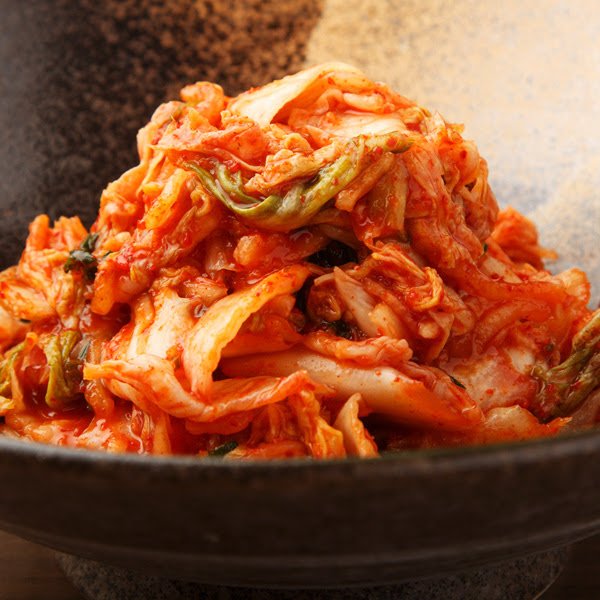
Our digestive tract is more than a system for absorbing nutrients. It also provides an important barrier between the outside world and our internal environment. One of the more exciting discoveries involves kimchi, the traditional Korean fermented vegetable dish.
A 2026 study identified a strain of beneficial bacteria, Leuconostoc mesenteroides CBA3656, that significantly increased the elimination of nanoplastics through the stool. While human studies are still needed, the discovery points toward a promising relationship between our gut microbiome and the handling of environmental contaminants. This is one reason I encourage regular consumption of fermented foods, including kimchi, sauerkraut, kefir, yogurt, and traditionally fermented vegetables, as these foods can support a healthy intestinal ecosystem.
2. Nature’s Binders Help Eliminate Microplastics
An exciting new area of research suggests that certain natural fibers may do more than support digestion. Their unique physical properties may allow them to bind microscopic plastic particles within the intestinal tract, helping carry them out of the body through normal bowel movements. In a 2026 study published in Food Chemistry, researchers demonstrated that insoluble wheat-bran fiber reduced intestinal microplastic accumulation and helped protect the intestinal lining from inflammation.
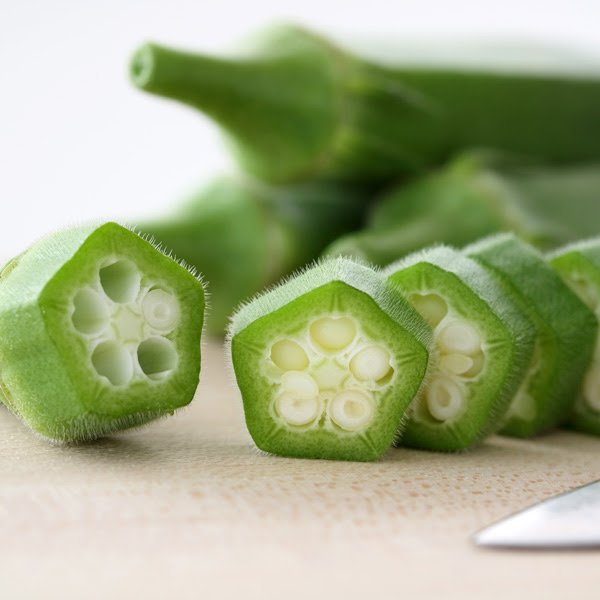
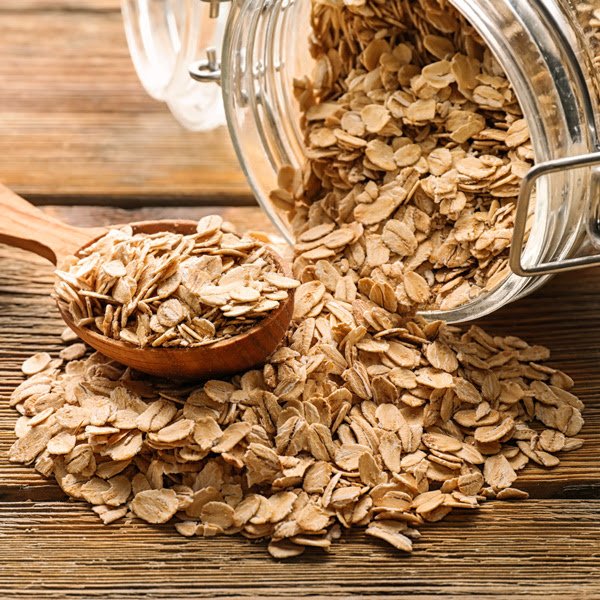
Particularly interesting are soluble fibers that form a gel-like substance in the digestive tract, including pectin from apples and citrus fruits, beta-glucan from oats and barley, psyllium husk, and alginates from seaweed. Other natural sources of viscous fiber include okra, fenugreek, flaxseeds, and chia seeds. These fibers help maintain bowel regularity, nourish beneficial gut bacteria, and may provide surfaces that trap certain unwanted particles.
Another promising natural compound is chitosan, a fiber-like substance derived from chitin, found in shellfish shells and certain fungi. A preliminary 2025 human study found approximately 47% more microplastic particles in stool samples following chitosan supplementation. More recently, researchers developed an experimental combination of chitin and seaweed-derived alginate that trapped microplastics in the digestive tract and increased their elimination in mice.
Activated charcoal offers another potential binding mechanism, and laboratory experiments have shown that it can capture certain microplastics and nanoplastics from water. Because it may also interfere with medications and nutrient absorption, it should not be used routinely.
3. Protect Our Cells with Antioxidant-Rich Foods
The new Nature study places oxidative stress at the center of the microplastic discussion. Fortunately, nature provides an abundance of compounds that help our cells manage oxidative stress. One of the most promising is sulforaphane, found in broccoli sprouts and other cruciferous vegetables. In earlier human clinical trials, broccoli sprout beverages increased the urinary elimination of metabolites of certain airborne pollutants, including benzene. This demonstrates a measurable effect on chemical detoxification.
Another important discovery emerged from a 2026 randomized human trial published in Nature Communications. Researchers found that a 28-day intervention combining plant polyphenols reduced several inflammatory markers in participants at elevated risk of microplastic exposure. The interventions, however, did not demonstrate increased elimination of microplastics. Instead, it suggested that polyphenol antioxidants may help protect the body against some of the biological disturbances associated with exposure.
This reinforces a principle I have emphasized throughout my practice: prevention is not simply about removing harmful substances. It is equally about strengthening the body’s ability to resist and recover from injury.
Nine Foods Worth Adding to Your Daily Diet
These nine foods offer a practical combination of antioxidant protection, microbiome nourishment, and digestive support.
Broccoli sprouts are rich in sulforaphane precursors that support the body’s natural cellular defense systems.
Oats provide beta-glucan, a soluble fiber that nourishes beneficial gut bacteria and promotes digestive health.
Brown seaweeds such as wakame contain alginates, fibers with interesting binding properties. Enjoy modest amounts, particularly if iodine intake is a concern.
Apples contain pectin, a soluble fiber that promotes intestinal health and supports regular elimination.
Beans, lentils, and chickpeas are excellent sources of fiber, resistant starch, and nutrients that sustain a healthy microbiome.
Chia and flaxseeds supply soluble fiber and beneficial plant compounds that support bowel regularity and metabolic health.
Green tea is rich in catechins, particularly EGCG, which have antioxidant and anti-inflammatory properties.
Fermented foods, such as Kimchi, sauerkraut, yogurt, and kefir, can help nourish a diverse intestinal ecosystem.
Blueberries, blackberries, and raspberries provide anthocyanins and other polyphenols that help protect cells from oxidative stress.
A simple breakfast of oatmeal, blueberries, and ground flaxseed, accompanied by loose-leaf green tea, is an excellent place to begin.
Traditional Chinese Medicine: Supporting the Body’s Natural Cleansing Systems

For thousands of years, TCM has viewed good health as the result of maintaining internal balance and supporting the body’s capacity to transform, transport, and eliminate waste. From this perspective, microplastic exposure represents a modern challenge that calls for familiar principles: maintaining healthy digestion, promoting circulation, supporting restorative sleep, and reducing excessive inflammation.
In our integrative approach at Tao of Wellness, detoxification does not mean forcing the body to purge itself. Rather, it means creating favorable conditions for the body’s natural physiological processes to function well.
Diet and Nutrition
We suggest regular cleansing and detoxification intervals using our protocol, which includes a gentle, food-centered approach that emphasizes fiber-rich whole grains, legumes, vegetables, apples, seaweed, flaxseed, and fermented foods such as kimchi and kefir.
Acupuncture
Acupuncture may help regulate stress responses, improve digestive movement, and microbiome balance. By supporting the liver and kidneys’ detoxification function and promoting physiological balance, it can serve as part of an elimination and wellness strategy.
Lymphatic massage, Tuina bodywork, and Cupping
The lymphatic system plays an essential role in immune function, fluid balance, and the transport of cellular waste and foreign particles. Research has shown that microplastics and nanoplastics can enter lymphatic pathways, and through lymphatic drainage massage with its gentle, rhythmic movements to encourage lymphatic fluid circulation, combined with Tui Na—traditional Chinese therapeutic bodywork — and cupping therapy, these therapies together support lymph and blood circulation, relaxation of connective tissue, elimination of toxins, and restoration of the body’s normal restorative functions.
Chinese Herbal Medicine
Recent research has identified remarkable binding properties and cellular protection in polysaccharides derived from certain Chinese herbs.
Lily bulb (Baihe): In laboratory experiments, specially processed polysaccharides from the lily bulb captured over 93% of the tested microplastics and 96% of the nanoplastics.
Reishi Mushroom (Lingzhi): Researchers have also demonstrated microplastic-binding activity in reishi mushroom mycelium and plantain seed mucilage, suggesting that natural plant and fungal fibers may eventually help inspire new approaches to reducing microplastic exposure.
Korean Ginseng: Equally promising is research on its ability to protect the intestinal barrier. A 2026 animal study found that Korean red ginseng extract significantly reduced microplastic accumulation in the intestines and liver by helping preserve intestinal tight junctions, thereby limiting the movement of particles into surrounding tissues.
Goji berry, Artemisia, and Pomelo: Other studies have shown that pomelo peel, goji berries, and certain Artemisia polysaccharides can lessen microplastic-related oxidative stress, inflammation, and tissue injury in experimental animals.
Although these findings remain preliminary, they suggest two complementary roles for Chinese herbal medicine: natural polysaccharides may serve as physical binding agents. In contrast, bioactive herbal compounds may strengthen the body’s protective barriers and antioxidant defenses.
Infrared sauna and therapeutic sweating may complement a wellness program by promoting relaxation, gentle heat exposure, and improved circulation. Some preliminary human studies have detected plastic-associated chemicals, such as bisphenol A (BPA), in sweat. However, eliminating a plastic-associated chemical is not the same as eliminating an intact plastic particle.
Qigong, Tai Chi, breath work, and restorative sleep help address the broader consequences of chronic stress and support the systems involved in long-term health. These are valuable practices that support the body’s health functions.
Reduce Exposure
Perhaps the most effective strategy is also the simplest: reduce the amount of plastic entering your body in the first place.
Avoid microwaving or heating food in plastic containers.
Choose glass, ceramic, or stainless steel for food storage and drinking water.
Minimize plastic bottled water when safe tap or appropriately filtered water is available.
Use loose-leaf tea instead of plastic-containing tea bags.
Reduce unnecessary disposable packaging.
Control household dust through regular cleaning and ventilation.
These everyday changes may more reliably reduce exposure.
The Wisdom of Prevention
We cannot completely escape microplastics in today’s environment, nor do we yet have a clinically proven way to remove those already lodged in our tissues. But that does not mean we are powerless.
The emerging research on the gut microbiome, natural fibers, sulforaphane, and plant polyphenols offers intriguing possibilities for protecting ourselves. When combined with the detoxification practices of Traditional Chinese Medicine and healthy digestion, nourishing foods, regular movement, restful sleep, and the cultivation of internal balance, we have a practical approach to strengthening our resilience.
The wisdom of longevity has always been to reduce what harms us while cultivating what sustains us, and in a world increasingly filled with artificial substances, returning to whole foods, healthy daily habits, and the healing intelligence of nature may be among the most valuable investments we can make in our future health.