Fungal Infections Are on the Rise: Natural Strategies to Strengthen Our Defenses
We have long been concerned about viruses and bacteria, but a new health challenge is gaining attention: the growing threat of fungal infections.
Recent reports describe how climate change, overuse of antifungals in agriculture, antifungal drug resistance, and the emergence of pathogens such as Candida auris are creating new public health concerns. Although these dangerous infections primarily affect hospitalized patients and people with compromised immune systems, they remind us of an important principle in Chinese medicine: protecting our health begins with strengthening the body’s natural defenses.
In traditional Chinese medicine (TCM), we emphasize Wei Qi, the body’s protective energy. This concept reflects the importance of maintaining internal balance and resilience. Today, modern research on the microbiome and natural antimicrobial compounds offers interesting parallels to this ancient wisdom. Here are several practical approaches that deserve attention.
1. Cultivate a Healthy Microbiome
Our bodies contain trillions of microorganisms, including beneficial bacteria that help maintain a balanced internal environment. Many fungal organisms, including certain Candida species, can live harmlessly in and on our bodies. Problems arise when that balance is disturbed or when our defenses become compromised. Antibiotics, while sometimes lifesaving, can disrupt beneficial bacterial populations and create opportunities for yeast overgrowth.
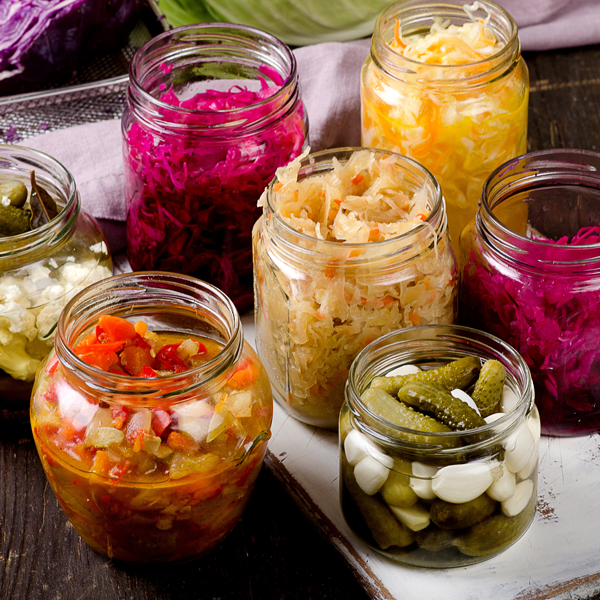
One of the simplest protective strategies is to nourish our beneficial microbes. I encourage regularly eating fermented foods such as plain yogurt with live cultures, kefir, kimchi, sauerkraut, and fermented vegetables. Equally important are prebiotic foods—onions, garlic, asparagus, oats, beans, and other fiber-rich plants—that nourish beneficial intestinal bacteria.
Probiotic supplements, particularly certain Lactobacillus strains, may also be helpful in selected circumstances. Clinical research suggests they may offer additional benefits alongside conventional treatment for some recurrent vaginal Candida infections.
2. Discover Nature’s Antifungal Foods
Many familiar foods contain compounds that have demonstrated antifungal activity in laboratory research. Although eating these foods has not been proven to prevent serious fungal infections, they offer interesting opportunities to support a nutritious, varied diet.
Garlic contains allicin and related sulfur compounds that have demonstrated activity against Candida in laboratory studies. Fresh garlic is a wonderful addition to vegetable dishes, soups, and sauces.
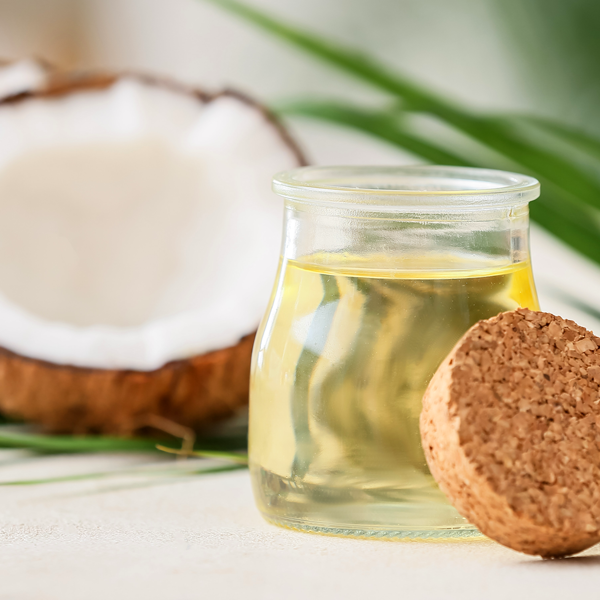
Coconut contains medium-chain fatty acids, including caprylic acid, capric acid, and lauric acid, which have been shown to have antifungal properties. A study at Tufts University found that diets enriched with coconut oil reduced intestinal Candida colonization in mice. However, due to its high saturated fat content, coconut oil can be used occasionally in cooking, while olive oil remains a better everyday choice for cardiovascular health.
Oregano and thyme contain carvacrol and thymol, natural plant compounds that can inhibit certain fungal organisms under laboratory conditions. Use these generously as culinary herbs to leverage their natural antifungal properties.
Green tea is rich in catechins, particularly EGCG, which has demonstrated antifungal activity against Candida species in laboratory studies. One or two cups of green tea daily can be part of a healthy routine.
Cinnamon and cloves contain aromatic compounds being investigated for antimicrobial and antifungal effects. Another plus—their use as culinary spices offers flavor without added sugar.
While these foods are not substitutes for antifungal medicines, they provide a practical way to incorporate a variety of beneficial plant compounds into everyday meals.
3. Chinese Herbal Medicine: A Traditional Approach
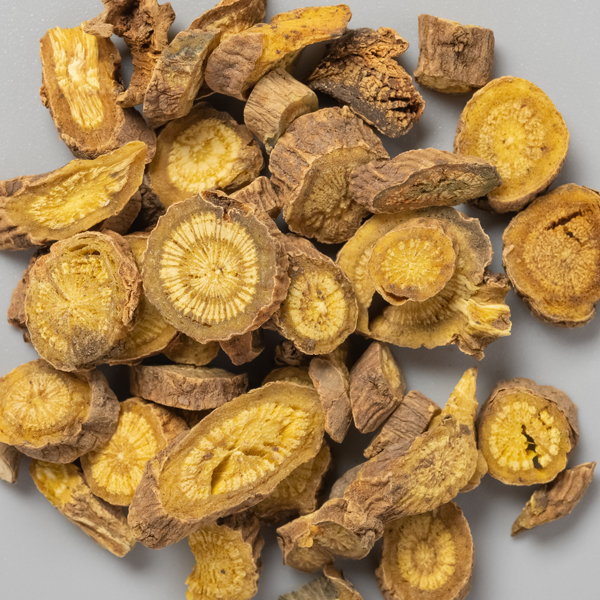
Chinese medicine has an extensive tradition of using herbs to address fungal infections, often described in TCM as Dampness, Heat, and underlying constitutional imbalances. Several traditional herbs contain compounds that modern scientists are investigating for antifungal activity. For example, Huang Lian (Coptis) contains berberine, which has demonstrated inhibitory effects against Candida species and their biofilms in laboratory experiments and clinical studies. Huang Qin (Scutellaria baicalensis), or skullcap, contains baicalein, another compound with antifungal activity in research.
These findings suggest opportunities for further investigation, particularly as antifungal resistance becomes a growing problem. Herbal formulas should be individualized by a qualified and licensed practitioner, particularly when patients are taking medications, undergoing cancer treatment, or managing chronic illness.
TCM also incorporates acupuncture, qigong, dietary therapy, and appropriate constitutional support to improve overall well-being during recovery.
4. Maintain Healthy Blood Sugar and Metabolic Balance

People with poorly controlled diabetes face a higher risk of certain fungal infections. Elevated blood glucose and impaired immune function can create conditions more favorable to infection.
I recommend emphasizing vegetables, legumes, whole grains, nuts, seeds, healthy fats, and adequate protein while avoiding sugary beverages, refined carbohydrates, and highly processed foods. A low-sugar diet and maintaining healthy glucose metabolism are important steps in reducing susceptibility to Candida infection. Daily walking, strength training, and maintaining a healthy waist circumference are equally valuable.
5. Support Recovery Through Sleep, Movement, and Stress Management
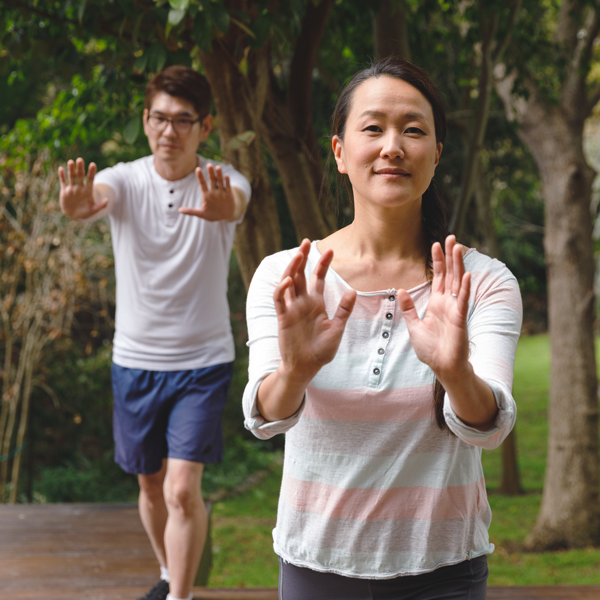
Our immune defenses do not function independently of the rest of our health. Poor sleep, chronic stress, inactivity, and inadequate nutrition can undermine overall resilience. My daily recommendations are simple: walk regularly, practice tai chi or qigong, spend time outdoors, eat nourishing meals, and prioritize seven to nine hours of restorative sleep. Slow, deep abdominal breathing and meditation also help regulate stress and promote relaxation.
These are practices I have recommended to patients for decades—not because any one practice guarantees immunity from infection, but because maintaining health requires consistent attention to the whole person.
6. Protect Yourself Through Simple Preventive Measures
Alongside these natural strategies, we must respect the importance of modern infection prevention. Use antibiotics only when appropriate, keep skin clean and dry, protect wounds, practice good hand hygiene, and promptly evaluate persistent fungal symptoms. For patients in hospitals or long-term care facilities, proper disinfection, catheter care, and infection-control procedures remain essential.
A Practical Daily Routine
To put these principles into practice, consider a simple daily menu:
Breakfast: Plain yogurt or coconut kefir with berries, ground flaxseed, and walnuts.
Lunch: A large bowl of vegetables and lentils with leafy greens, garlic, olive oil, and herbs.
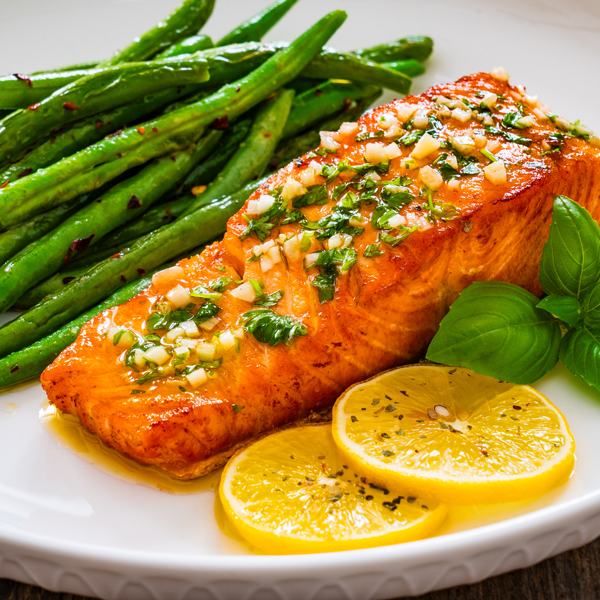
Dinner: Wild salmon, sardines, or tofu with shiitake mushrooms, broccoli, ginger, and a small serving of brown rice.
Daily Additions: Green tea, a variety of colorful vegetables, and modest portions of fermented foods as tolerated.
Combine this with a daily walk, 15 minutes of qigong or meditation, and a consistent sleep schedule.
Ancient Wisdom for Emerging Health Challenge
As our environment changes and new infectious threats emerge, our approach to prevention must evolve as well. Modern medicine provides essential tools for identifying and treating dangerous fungal infections. At the same time, research into the microbiome, nutrition, and naturally occurring antifungal compounds opens innovative new possibilities.
Chinese medicine has always understood that health involves more than fighting disease. It involves cultivating an internal environment that supports balance, recovery, and vitality. While we cannot eliminate every pathogen around us, we can take meaningful steps to protect our health through the choices we make each day.
Prevention begins not in the medicine cabinet, but in the way we live.