Traditional Chinese Medicine for PCOS Care - Part 2
A feature of PMOS that has bewildered clinicians and patients is that the symptoms can look completely different from person to person. One woman may carry excess weight around her middle but ovulate irregularly, while another may rarely ovulate and have the lean body of a runner that she is.
The TCM Perspective: Patterns of Constraint
Traditional Chinese Medicine can help reframe PMOS by identifying which system is under the greatest strain and, therefore, the dominant pattern at play. In fact, a woman doesn’t need to match the clinical definition of PMOS to still benefit from the TCM approach. For example, a woman who has missed multiple periods but consistently ovulated in the past can still benefit from the same treatment approach as someone with clinically diagnosed PMOS.
In my upcoming book with Dr. Mao, we examine three main patterns of PMOS:
Metabolic-Dominant PMOS
This occurs when the ability to process energy is under strain. We can expect to see features of blood sugar dysregulation, inflammation, and indigestion. From a TCM perspective, this reflects stress on the Spleen system, which is responsible for digestion and energy transformation.
Stress / Neuroendocrine-Dominant PMOS
This expression is characterized by a nervous system that is stuck in fight-or-flight mode. Here, constant stress is the main culprit. From a TCM perspective, this reflects Liver system constraint, which creates difficulty adapting to stress and change.
Conservation / Early-Depletion PCOS
We see this pattern most frequently in women who are more depleted, which suggests the body has shifted its focus to protecting long-term reserves. This may feature in women who experienced stress early in life (such as an adverse childhood event, or ACE), long-term illness, or burnout from school, sports, work, etc. From a TCM perspective, this reflects depletion of the Kidney system. The Kidneys are responsible for protecting Jing, the source of developmental and reproductive reserves. Both Chinese medicine and Western medicine see these reserves in women as finite.
How to Approach
Integrative Healing
The main goal of healing PMOS is to guide the body back into a state of safety. We focus on improving the quality of life while resolving the root pattern. A combination of Traditional Chinese Medicine tools and gentle lifestyle changes can provide long-lasting regulatory benefits.
Acupuncture
Acupuncture affects multiple pathways in the body, but most significantly for PMOS, it helps regulate the neuroendocrine system to decrease the body’s stress response. Consistent treatments can lead to benefits such as steadier energy, better sleep, and less emotional volatility.
Herbs
A personalized formula of 10-14 individual herbs allows us to address both the symptoms that are causing you distress now and the root cause. For example, stomach pain and bloating may be your biggest concern, but calming the widespread digestive inflammation caused by stress may be the true focus.
Nutrition
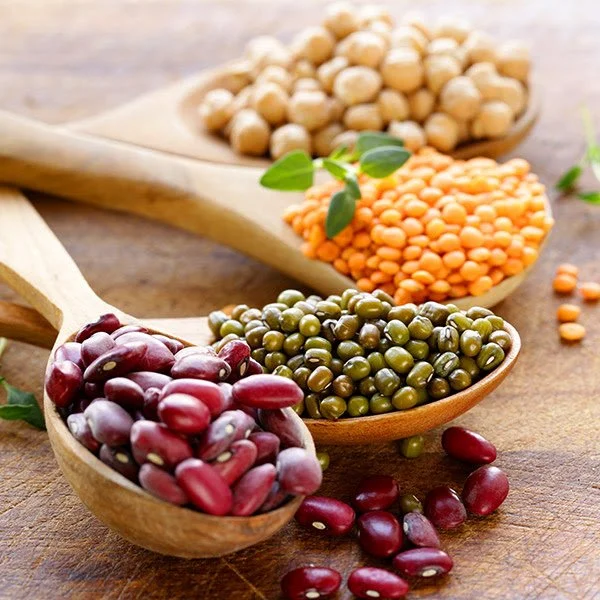
Eating consistent, nourishing meals is the first step to assuring the body that it isn’t experiencing scarcity. Once that’s covered, you can turn your attention to what you’re eating. If a feature of your PMOS is insulin resistance, consume adequate amounts of fiber and lean protein, and limit processed carbohydrates like refined white flour, sweets, and sugar. If you’re at risk of cardiovascular disease, avoid red meat and saturated fats, lower your sodium intake, and increase your fiber intake.
Supplements
Combined with herbal medicine and nutrition, supplements such as Magnesium, Omega-3 fatty acids, and antioxidants like Coenzyme Q10 can improve sleep quality, increase blood circulation, and calm inflammation. As with any intervention, simplicity is best—consistent, appropriate doses of one or two supplements are better than sporadic use of 12 different ones.
Exercise & Qi Cultivation
Excessive, high-intensity exercise can further exacerbate PMOS symptoms—your body can’t tell the difference between training for a marathon and running from danger. This leads to the pattern of constraint that characterizes PMOS. Instead, listen to your body and weave in recovery and low-intensity activity, such as taking a walk outside or practicing Tai Chi or Qi Gong. Not only does the exercise benefit your body, but it also regulates the mind and nervous system.
Our Recommendations
We urge you to start slow and avoid dramatic changes to your day-to-day life. Piling on multiple interventions at once can actually be interpreted by the body as stress. Slow down and listen to what your body is telling you.
Is your body signaling its readiness for a new change?
Or is it asking you for more time to adjust to a new intervention?
Healing is not just about the end results—it’s also about the journey and what you learn along the way. We hope this process brings you into greater alignment with your body and re-instills a deeper sense of trust in yourself. Our doctors at the Tao of Wellness are here to support you every step of the way.
Stay tuned for Drs. Mao Shing and Yu-Shien Ni’s upcoming book on PMOS for a more in-depth look at this syndrome and our approach to healing.